

You just received a new cedar planter, still catching the faint, fresh scent of real wood. The color is rich and even, the grain subtly visible. It looks perfect now—almost too perfect to risk leaving to the elements. Naturally, you begin to wonder: how can I keep it looking this good for years to come?
Cedar is already one of the best woods for planters. It naturally resists rot, insects, and moisture better than most other woods. Still, like anything exposed to soil, water, sun, and changing temperatures, a little thoughtful care goes a long way in preserving both its beauty and its lifespan.
Here are some tips for maintaining your Windymere Custom Crafts cedar planter.
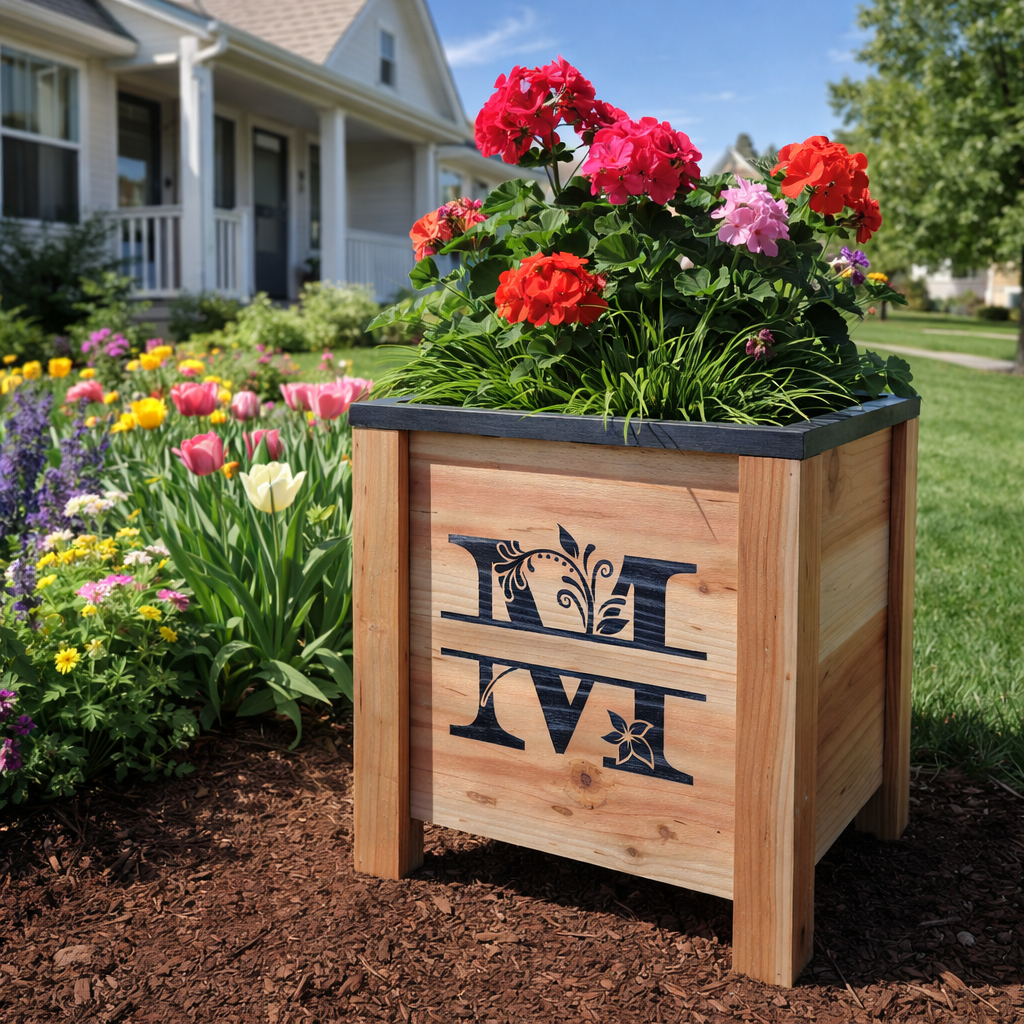
Indoor vs. Outdoor Care
Where the planter lives makes a big difference in how it should be cared for.
Indoor Planters
When kept indoors, the planter faces fewer environmental stresses. There is no harsh UV exposure, heavy rain, or freezing temperatures to contend with. Maintenance is simple:
- Wipe the exterior occasionally with a damp cloth to remove dust.
- Avoid letting water pool underneath the planter—use a saucer or tray.
- Ensure proper drainage so excess moisture does not sit inside the wood.
- Keep it away from heating vents or radiators, which can dry the wood unevenly.
Indoors, cedar wood and stains may remain beautiful for many years with minimal upkeep.
Outdoor Planters
Outdoors, nature becomes the main factor. Sunlight, rain, temperature swings, and humidity all slowly affect the wood and finish.
To extend life outdoors:
- Elevate planters slightly off the ground using feet or risers to prevent constant moisture contact.
- Clean the surface once or twice a year with mild soap and water to remove dirt and mildew.
- Inspect annually for any areas where stain has thinned and touch up as needed.
- Avoid placing directly under heavy roof runoff where constant water exposure can accelerate wear.
Understanding Solid Stain Finish
If your Windymere Custom Crafts cedar planter has been finished with solid stain, it already has strong protection built in. Solid stain differs from paint in that it penetrates the wood while still forming a protective surface layer. This helps shield the cedar from UV rays, moisture intrusion, and everyday wear.
Under normal outdoor conditions, you can expect the color to remain strong and vibrant for 3 to 5 years, depending on sun exposure, rainfall, and climate. In shaded or covered areas, the finish may last even longer. Over time, the color may gradually soften rather than peel, which makes maintenance easier—usually a simple cleaning and recoat restores the original appearance.
Will Cedar Dent — and Does It Matter?
Cedar is considered a softwood, which means it can dent or mark more easily than hardwoods like oak. A dropped tool, a rock, or rough handling may leave small impressions in the surface.
The good news is that minor dents are mostly cosmetic. They do not impact the structural integrity or performance of the planter. Cedar’s natural durability and rot resistance remain unchanged. In fact, many people appreciate the slight weathered character that develops over time—it adds a natural, lived-in charm.
What Happens During Natural Weathering?
Even with stain protection, all outdoor wood gradually responds to its environment. Over time, you may notice:
- Slight softening or mellowing of the stain color
- Minor surface texture changes
- Natural expansion and contraction with seasonal humidity
- Small hairline cracks, which are normal and not harmful
If left completely untreated for many years, cedar naturally turns a silvery gray. However, in areas where the planter is stained, that graying process is slowed significantly and often prevented entirely with periodic maintenance coats.
Safe Treatments: Food Plants vs. Decorative Use
How the planter is used determines what treatments are appropriate.
If Growing Food (Herbs, Vegetables, Fruits)
When plants are intended for consumption, safety matters. When considering treatments for cedar wood, you should:
- Avoid harsh chemical sealers or wood preservatives inside the planter.
- Use a food-safe liner such as heavy-duty plastic, landscape fabric, or pond liner to separate soil from the wood.
- Stick to natural oils (like pure tung oil) only if interior wood treatment is absolutely desired.
- Ensure proper drainage to prevent root rot and wood saturation.
Treating the exterior surface is generally fine, but direct soil contact inside should remain untreated or food-safe.
If Used for Decorative Plants Only
For flowers or ornamental plants, you have more flexibility:
- A waterproof interior liner can further extend the planter’s lifespan.
- Additional exterior sealers or UV protectants may be used if desired.
- Moisture barriers help prevent constant saturation of the wood.
Additional Care Tips for Long-Term Preservation
A few simple habits can dramatically extend the life of a cedar planter:
- Ensure good drainage — standing water is wood’s biggest enemy.
- Rotate the planter occasionally if one side receives constant sun, helping color wear evenly.
- Avoid dragging the planter across rough surfaces to prevent corner damage.
- Refresh the stain every few years before heavy fading occurs.
- Keep soil levels slightly below the rim to prevent constant moisture contact at the top edge.
- Remove soil and clean seasonally if the planter will be stored during winter in colder climates.
With just modest care, a well-built cedar planter can last many years while maintaining both strength and beauty.
A Planter Worth Preserving
For those looking to add lasting beauty and craftsmanship to their home or garden, you are invited to explore the custom cedar planters available from Windymere Custom Crafts, where quality materials and thoughtful design come together to create planters built to be enjoyed for years.