

How Proper Planter Drainage Holes Keep Your Plants Healthy
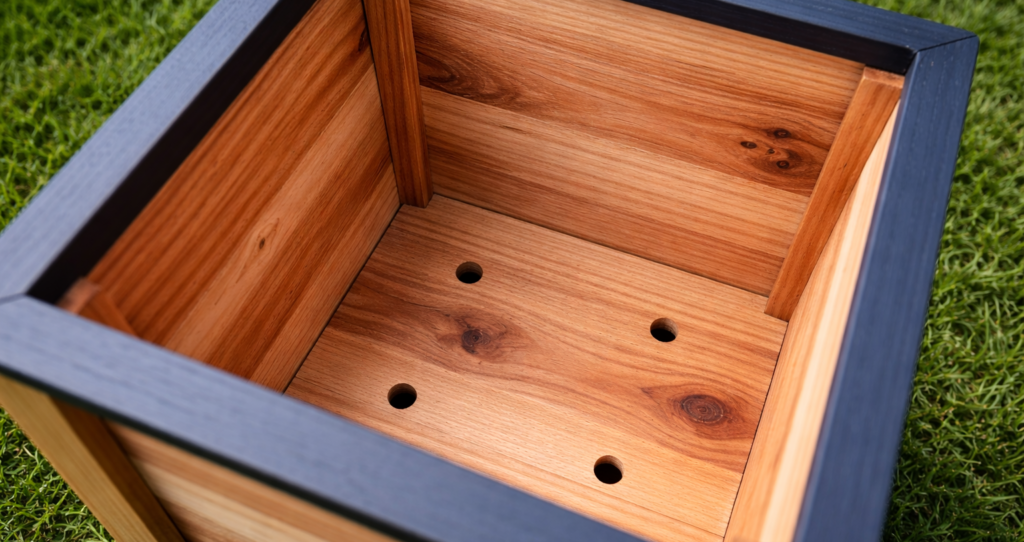
A beautiful planter can elevate any space, but what really determines whether plants thrive or struggle is something much less visible—drainage. Proper drainage holes are one of the most important features of any planter, yet they’re often overlooked. Understanding how many holes you need, what size they should be, and how factors like plant type and pot material affect drainage can make all the difference in plant health.
Why Drainage Holes Matter
Plants need water—but they also need air around their roots. When water cannot escape, soil becomes saturated, oxygen is pushed out, and roots begin to rot. Good drainage holes allow excess water to leave the planter, keeping soil moist but not waterlogged. In short, drainage prevents one of the most common causes of plant failure: overwatering.
How Many Drainage Holes Do You Need?
There’s no single number that works for every planter, but there are some reliable guidelines:
- Small planters (under 8 inches): 1–3 holes are usually sufficient.
- Medium planters (8–16 inches): 3–6 evenly spaced holes work well.
- Large planters (16 inches and up): 6–10 holes help ensure consistent drainage across the entire soil area.
The goal is even water escape, not just one wet spot. A single hole in a large planter can cause uneven moisture, leaving some roots too wet and others too dry.
What Size Should Drainage Holes Be?
The size of drainage holes matters just as much as the hole count.
- Small pots: 1/4 inch holes are usually enough.
- Medium planters: 1/4 to 3/8 inch holes provide better flow.
- Large planters: 3/8 to 1/2 inch holes help prevent water buildup.
The holes should be large enough to let water escape freely but small enough to keep soil from washing out. If needed, a layer of mesh, landscape fabric, or a small stone over each hole can prevent soil loss without blocking drainage.
Does the Type of Plant Matter?
Yes—different plants have different drainage needs.
- Succulents and cacti need fast drainage and drier soil, so more holes or slightly larger holes are beneficial.
- Herbs and vegetables prefer consistent moisture but still require good drainage to prevent root rot.
- Tropical plants like moisture but don’t tolerate soggy roots—balanced drainage is key.
- Water-loving plants may tolerate fewer holes, but standing water should still be avoided unless the plant specifically requires it.
When in doubt, it’s usually safer to err on the side of more drainage, not less.
Does the Planter Material Matter?
Absolutely. Different materials hold and release moisture differently:
- Wood (like cedar): Naturally breathable and drains well but still needs proper holes to prevent water retention at the base.
- Plastic: Holds moisture longer, so good drainage holes are essential.
- Ceramic/Glazed pots: Retain moisture more than unglazed clay; drainage holes are critical.
- Terracotta/Clay: Naturally porous, helping moisture escape through the walls as well as the holes.
Because plastic and glazed containers retain water longer, they often benefit from slightly more or larger drainage holes compared to breathable materials like wood or terracotta.
Does Hole Placement Matter?
Yes—placement is important for even drainage.
- Holes should be evenly spaced across the bottom to prevent water pooling in one area.
- Avoid placing holes too close to the outer edge where structural strength could be reduced.
- Slightly elevating the planter with feet or risers helps holes drain freely instead of being blocked by the ground or surface beneath.
- For very large planters, holes distributed across the base prevent “wet pockets” of soil.
Helpful Drainage Tips
A few extra practices can improve drainage even further:
- Use well-draining potting mix, not garden soil.
- Add a thin layer of mesh or landscape fabric over holes to prevent soil loss.
- Avoid the myth of thick gravel layers—they can sometimes trap water instead of helping drainage.
- Elevate planters slightly so water can escape freely.
- Check holes periodically to ensure they aren’t clogged by roots or compacted soil.